A Guide to Choosing Luxury Bed Frames: British Craftsmanship and Material Considerations
In the quiet ritual of sleep, a bed frame is more than a supporting actor; it is a stage upon which the night rehearses its most intimate performance. For a domain devoted to the refined art of British bed design, the bed frame stands at the intersection of heritage, material science, and the quiet drama of daily use. This guide unfolds how luxury bed frames—woven from timber, steel, brass, and centuries of joinery—become less a furniture item and more a living relationship between craft, comfort, and place.
The sphere of luxury beds is not merely about ostentation. It is about materials chosen with intention, construction methods that endure, and a sense of proportion that respects both scale and the human body. In a country with a long lineage of furniture making—from parish workshops to global maisons—the bed frame can be expected to carry within its grain and joints the imprint of British design philosophy: understated, durable, and quietly luxuriant.
Two core threads: materials and design
When assessing a luxury bed frame, two core questions guide the eye: What is the frame made of, and how are those materials shaped into form? In Britain, oak has long been a favorite for its resilience and character; brass details evoke a certain hotel-grade polish; and modern engineering has offered new possibilities for strength, stability, and easy maintenance without sacrificing the artisanal whisper of traditional timberwork.
Materials rarely exist in isolation. The timber choice informs weight, aging, and acoustics; the joinery defines how a frame tolerates movement and over time resists creak; finishes seal the grain against environmental fluctuation while revealing the tactile beauty of the wood. Luxury frames acknowledge this triad—material, method, and mood—treating each bed as a crafted object that should improve with time rather than merely endure it.
Construction and joinery: the quiet mathematics of sleep
The elegance of a luxury frame often rests in how it is put together. Traditional joinery—mortise and tenon, dovetail, and haunched joints—speaks to a lineage of patience and precision. Modern frames may blend these classics with steel inserts, reinforced corner brackets, or adjustable undercarriages to address contemporary needs for mattress performance and user comfort. The aim is a steadfast foundation that remains silent—no creaks, no warps, and no compromises to the sleeping posture that begins with the spine alignment the moment you lie down.
In a Bay Area or a British hillside showroom, you may encounter frames where visible brass accents celebrate a time-honored tradition of metal detailing, or where exposed timber edges reveal the natural warmth and irregularities of oak or walnut. The best frames keep the eye engaged without shouting; their construction offers assurance that the frame will endure seasons of use, upholstery wear, and the inevitable reconfiguration of bedrooms across homes and generations.
Design and fit: sizing, headboard language, and under-bed clearance
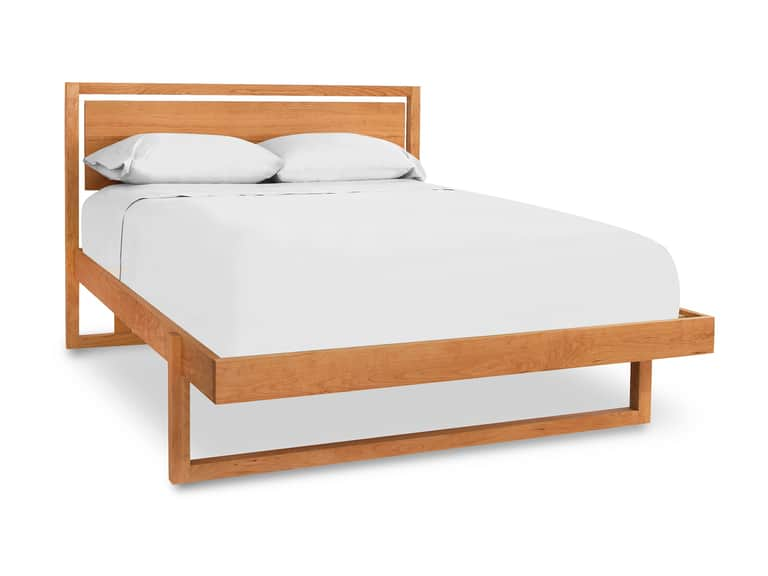
A frame’s design language is not merely aesthetic; it shapes the room’s circulation, light, and the way a mattress breathes. Headboard style—whether a simple, modern plane, a tall upholstered silhouette, or a carved antique-inspired profile—sets a tonal anchor for the rest of the space. The frame itself must accommodate the mattress system—box springs, slats, or a solid platform—and must offer adequate under-bed clearance for cleaning and airflow.
In British design, the proportion between headboard height, leg clearance, and overall length can subtly influence how the bed sits within a room and how the eye travels around a space. A generous under-bed clearance is not only practical; it communicates an honesty about design that refuses to pretend the bed is a single block, but rather a bridge between the sleeping body and the room’s architecture.
Maker profiles: a glance at British expertise
Across time, certain names have become touchstones for quality in bed frame making. Three figures from distinct eras illuminate the continuum of craft that anchors luxury frames to a distinctly British sensibility.
- John Makepeace (1930s–2000s): A potter-turned-designer whose work with wood and refined joinery helped usher a modern, restrained English taste into the late 20th century. Makepeace’s approach embraced tactile natural materials and classic construction techniques, translating a heritage of artisan skill into contemporary living spaces. His lineage reminds us that the bed frame can be as much about the material poetry of wood as it is about the technological comfort of dimensions and hardware.
- Henry Ramsay (late 1800s–early 1900s): A craftsman whose practice bridged the long era of post-and-beam carpentry with the refinement of estate furniture. Ramsay’s frames were celebrated for robust joinery and proportionally balanced silhouettes—an embodiment of Victorian and Edwardian confidence in furniture as a daily luxury rather than a mere utility.
- Vispring founders and lineage (mid 20th century onward): While Vispring is renowned for its mattresses, its broader frame language—often integrated with sprung foundations and lush upholstery—reflects Britain’s mid-century pivot toward “total bed comfort.” The brand’s approach to materials, precision machining, and bespoke detailing offers a blueprint for how a luxury frame can align with a premium sleep system while maintaining a distinct British heritage.
These figures illustrate a thread through time: a commitment to durable materials, a respect for joinery as an art, and a taste for frames that feel both ceremonial and accessible in a modern bedroom. The thread remains visible in today’s boutique ateliers and in contemporary brands that honor Britain’s woodworking discipline even as they push into new engineering innovations.
Case studies: contemporary luxury frames in practice
To understand how these principles translate today, consider three contemporary frames that personify the fusion of craft and modern living. Each case highlights a different dimension of luxury frame design—material emphasis, joinery philosophy, and integration with sleep systems.
Oak & Brass Heritage Frame
A commanding silhouette that balances the warmth of oak with the subtle sophistication of brass details. This frame uses traditional mortise-and-tenon joints reinforced with modern steel dowels for lasting stability. The result is a timelessly elegant bed that can anchor a master suite for decades.
Material note: quarter-sawn oak; brass inlay; natural oil finish.
Minimal Platform with Upholstered Headboard
A low-profile platform frame that capitalizes on clean lines and quiet upholstery. The platform includes a discreet slat system and a no-squeak promise, achieved through precision milling and pre-stressed legs. The upholstered headboard adds comfort without visual dominance, ideal for urban bedrooms where space is a premium.
Material note: hardwood core with fabric or leather upholstery; powder-coated metal support.
A practical framework for choosing your luxury bed frame
Selecting a luxury bed frame should begin with your sleep needs, room dimensions, and how the frame will age within your interior design. The following considerations offer a practical checklist that threads through the luxury criterion without sacrificing user-centered thinking.
- System compatibility: Ensure the frame aligns with your mattress and foundation. If you have a high-profile mattress or a non-traditional support system, verify that the frame’s internal dimensions accommodate it without overhang or gaps.
- Clearance and accessibility: Measure under-bed clearance for cleaning, storage, and ventilation. A frame that sits too low or too high can disrupt the room’s proportion and the mattress’s performance.
- Joinery and joints: Inspect visible joints and ask about hidden reinforcements. Traditional joinery suggests longevity, while modern reinforcements may offer ease of assembly and maintenance.
- Finishes and maintenance: Consider finishes that resist wear and patina gracefully. A finish that you can touch daily without fear of fingerprints or grime is a virtue in a bedroom that doubles as a sanctuary.
- Proportion and scale: The bed’s presence should feel appropriate to the room’s size. A generously proportioned headboard can anchor a large room; in smaller rooms, a more modest silhouette can preserve flow and movement.
A curated product note: The Clean Bedroom Level 2 Adjustable Bed Base
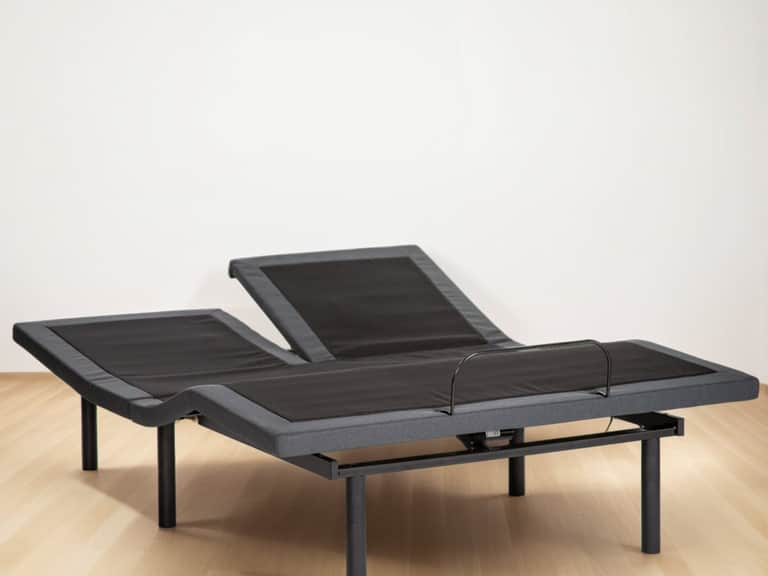
The modern compliment to a traditional frame is the adaptable bed base. The Clean Bedroom’s Level 2 Adjustable Bed Base exemplifies how technology and comfort converge in a British-influenced luxury sleep system. Independent head and foot lift capabilities allow you to curate comfort for reading, lounging, or sleeping. Built-in massage and ambient under-bed LED lighting offer a soft theater of rest, while dual USB ports ensure devices stay charged within arm’s reach. The option of a split King configuration lets each sleeper tailor their side without disturbing the other.
Key features to consider in an adjustable base include: preset positions like Zero Gravity, the range of head/foot adjustments, massage modalities, and memory settings for personalized comfort. For couples sharing a bed, independent adjustment is not merely convenience—it reshapes sleep quality by reducing toss-and-turn friction and enabling individual comfort zones within a single frame.
-
Product
The Clean Bedroom (Level 2) Adjustable Bed BaseSKU: CUSH | Price: $1149.00
-
Details
Independent head & foot lift, massage, underbed LED lighting, dual USB ports, wireless remote, and seven height settings with 3-in-1 stacking legs.
Twin XL to King sizes; compatibility across platform and pedestal frames.
Note: Product imagery is available on request. Images depict the base with its configurable options and ambiance lighting to illustrate its integration within a premium sleep environment.
From the archive to the showroom: taking stock of British luxury bed frames
The British approach to bed frames is not a single sound but a symphony. It includes the quiet, patient work of skilled cabinetmakers, the modern pragmatism of engineering, and the hospitality industry’s demand for durable, high-performance sleep foundations. The best frames feel obvious once you lie down—there, they prove their worth by how little you notice the frame itself yet how profoundly it supports your rest.
As you survey the market, let the following guiding questions lead your discussions with manufacturers or retailers:
- How does the frame handle weight and movement across seasons of wear?
- What joinery techniques are used, and are there visible or hidden reinforcing elements?
- What are the finishing materials, and how do they fare with household climate and daily cleaning?
- How does the design support mattress performance and air circulation?
Closing reflection: a frame for time itself
A luxury bed frame, in its most persuasive form, is a quiet editor of time. It does not force a moment but rather creates one—where the senses settle, the body relaxes, and the room becomes an inner theater of rest. In Britain’s long lineage of wood, metal, and fabric, the bed frame remains a testament to the craft that binds utility to beauty, endurance to delight, and function to reverie. It is, in short, a stage for one of life’s simplest, most indispensable rituals—the act of lying down and letting the day recede.
For readers of Luxury British Bed, the importance is to keep the dialogue between you, the room, and the maker alive. Seek frames that honor the integrity of their materials, respect your sleep, and invite a future where the bed is less a piece of furniture and more a partner in the long, luxurious hours of the night.